What’s the first impression you want to give people?

"சென்றிடுவீர் எட்டுத் திக்கும்"
World is a Global Village.
What’s the first impression you want to give people?
How do you manage screen time for yourself?
What’s something most people don’t know about you?
As said by Thomas Jefferson. Bravo!

List 30 things that make you happy.

If you could host a dinner and anyone you invite was sure to come, who would you invite?
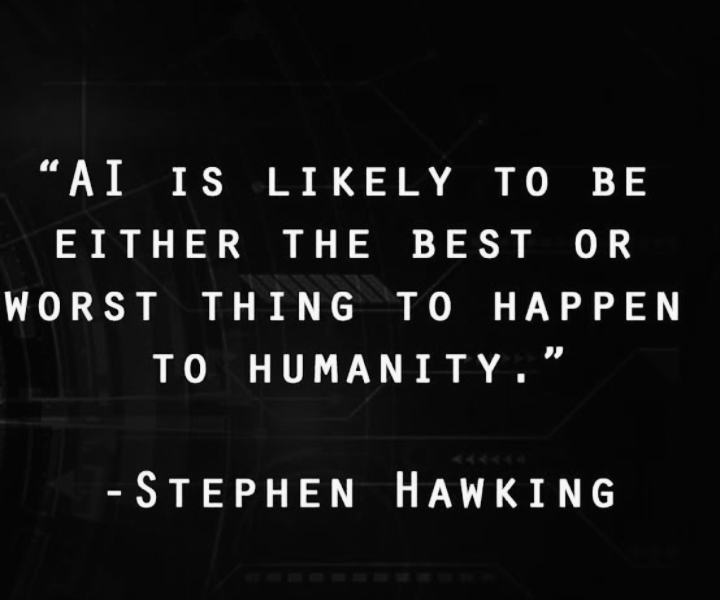
Best or the worst, as Stephen Hawking said, AI should be quick to respond to the invitation. Dinner or no dinner.

Do you remember life before the internet?
In the early 80s, there was no internet in Temple City, Madurai (Tamil Nadu, South of India). We studied in school.
We cycled five to six kilometres – to and fro – to go to the university library. The only library available for us had a good collection of books, newspapers, journals and rich novels.
We used to go there at least twice or thrice a week and spend a lot of time looking for books. We sat there, read and spent time taking notes.
Books of interest were loaned by the librarian on membership cards. Strictly three cards to a member.
Books were to be returned or renewed every two weeks. Or pay a penalty for default.
If some books we found were gone, we would wait at the librarian’s desk like how herons wait to catch fish in ponds.
We grabbed books at the desk itself or else it was too difficult to find them on the shelves later. We shared those books among ourselves after reading. Those were the jolly helluva days.
And the Internet has arrived.

What personal belongings do you hold most dear?
There may not be countries for old men (as the famous Oscar-winning movie said) but there’s an Old Spice for everyone of them.
I might give my mint toothpaste a miss but I shall never miss emptying a bottle of Old Spice on me wherever I go.
Men of adventure love it. I hold the lotion amongst all the other belongings, one of my most favorite.

“Dear god, Krishna ji, please stay with me, please keep my parents happy … please help me crack Neet 2024”.
“God teach me how to work very hard”
Those messages one never misses seeing on the wall of the Radhakrishna temple located at Kota, Rajasthan in India.
Kota in India is home to thousands of coaching centres for engineering and medical entrance examinations.
People call the city now the most stressful, as the place is known for all wrongful reasons. 27 students committed suicide last year and the number is rising.
Three have died this year. The latest being a 19-year-old engineering aspirant. RIP!
2 million students appear each year for just 140,000 seats in medical colleges in India. Over one million people compete for 10,000 seats in top engineering institutions called IITs.
Months ago, I went to a coaching centre located in Trichy, South of India.
Students study 18 hours a day, walking like zombies on the campus. Many of them sleep during class.
Teachers were mostly seen rushing through chapters and completing the job like how train drivers run between stations. Too mechanical, to say the least.
I saw a coach, an MIT, Chrompet (Chennai) alumni and an MD of a popular NEET academy breaking down in the middle of class, cry in front of students and start begging them for attention in the class.
Parents in India pay through nose (₹150,000 a year plus ₹30K for food & accommodation) for their children’s education. They place enormous hope on their wards. They want to see them as doctors or engineers, nothing less.
But there’s a sorry sight to the whole story.
Students can’t cope and they commit suicide. The pressure for them is just too much to bear.
The government is confused. While the authorities sit, discuss and contemplate measures to arrest this disturbing trend, students continue to harm themselves at these killer-centres.
Why do students resort to making such extreme ends?
Mental health issues, academic pressure and social stigma drive students to go to this extreme end – screams the article in Frontline, The Hindu.
35% of recorded suicides occur in the age group of students between 15 and 24 years, says statistics on Wikipedia.
Are students happy at home?
Studies say students who are well integrated with their families and community have a good support system during crises, protecting them against suicide.
Low levels of emotional warmth often drive them to seek a lonely spot.
A high level of parental control, or over-protection, by parents is associated with a three-fold increase in the risk of their ward’s suicidal behaviour.
How to spot them going bonkers early on?
Students nowadays pick up info about harming themselves from platforms such as YouTube and the internet.
A suicide often precedes an attempt. An early identification of what they do when they are alone and timely intervention should help stop them.
This could help in reducing suicide rates in India, experts say.
Intervention as well as a primary prevention strategy could help keep the rate of suicide under check.
Create a positive atmosphere for the children to interact freely with parents, elderly and friends.
Teach the students to cope. Tell them to learn an adaptive mechanism in life.
An awareness campaign should be spread among parents, teachers and healthcare professionals regarding child-rearing practices.
The community should frequently meet up, sit and discuss various social programs, such as child and family-supporting ones.
The community agenda may further include programs that aim at achieving gender and socio-economic equality.
Start now to see the results.
PS: the happiest lot I’ve seen at the NEET campus was the young staff working in the canteen.
They were of a similar age group. But they were more independent, carefree, employed, earning, carrying a phone, riding on bikes, socializing, cheerful and headed home by evening.
Who are your favorite people to be around?
I shall hang around always with my family, friends and my pet. They are my favorite people on Earth.
 "சென்றிடுவீர் எட்டுத் திக்கும்"