What details of your life could you pay more attention to?

"சென்றிடுவீர் எட்டுத் திக்கும்"
World is a Global Village.
What details of your life could you pay more attention to?
The most important invention in your lifetime is…

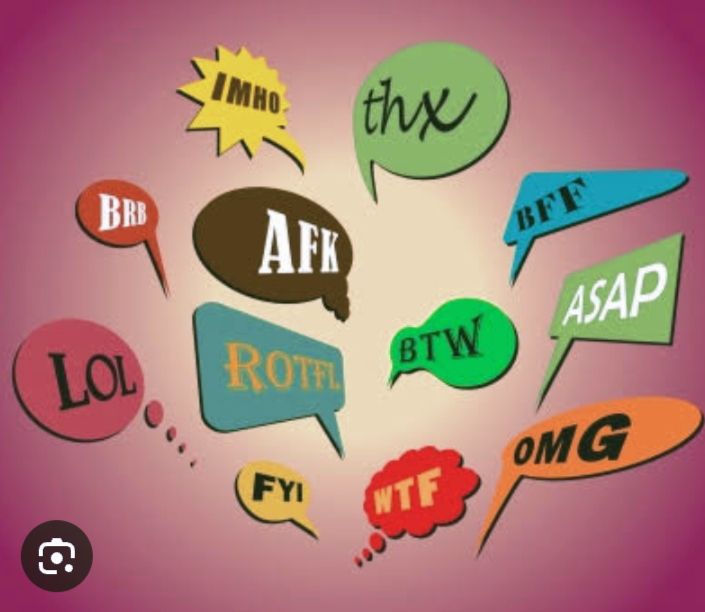
TTYS, CYA.
B4N.
In what ways do you communicate online?
Tell us about the last thing you got excited about.

What change, big or small, would you like your blog to make in the world?

Describe one habit that brings you joy.





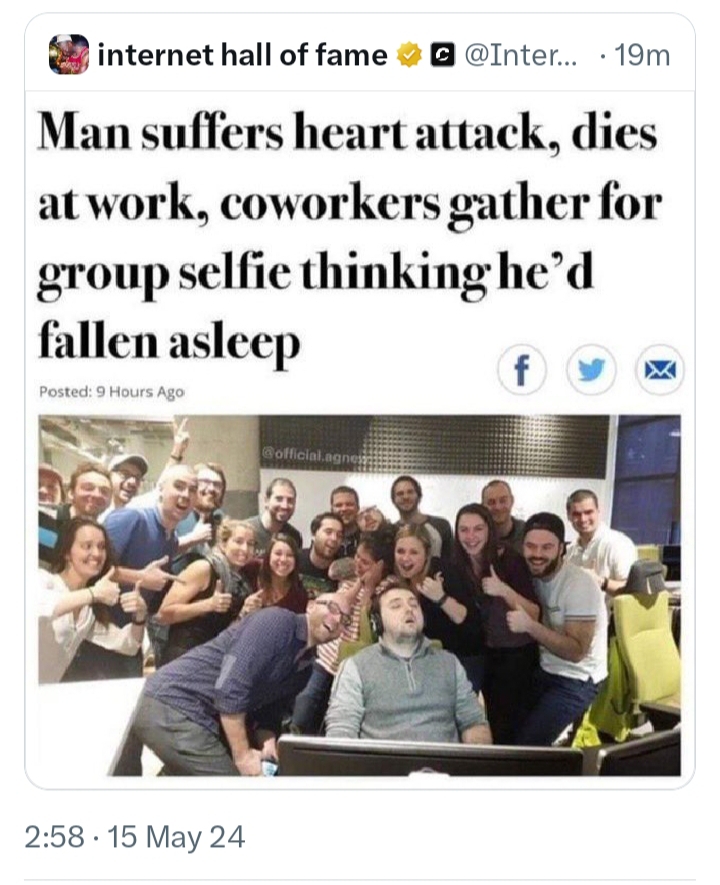
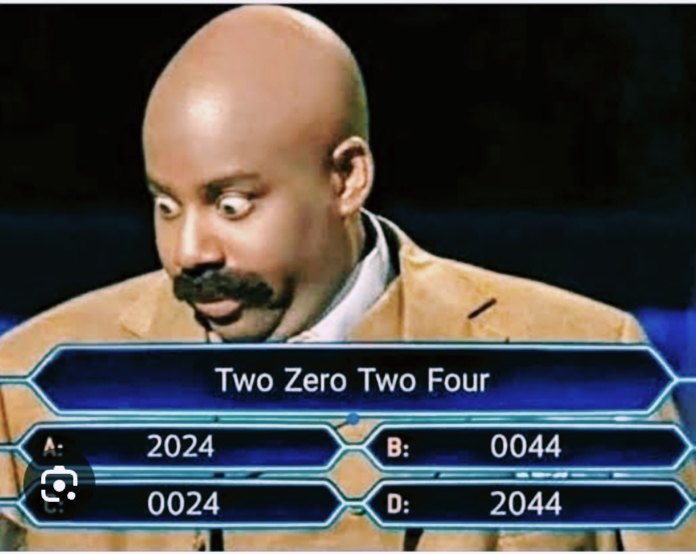
Look at the image. Don’t get shocked. The man is alive and kicking.
All he did was take a nap in the office on the third day of joining duty as an intern. That gave an opportunity for his colleagues to gang up on him, take a selfie and post the picture on social media as a huge prank. And the photo is now viral. Sad!
The poor man’s name was Eduard. He had just joined a software company called GSoft based in Canada.
It was in the year 2016 and the man says the show isn’t over yet.
The Deceased Man’s Prank Photo keeps doing rounds on social media. But Eduard is just loving it.
The Huffington Post has got more to say about this funny story. Read on. Click the link.

How do you use social media?
I, too, am one of the many million who use social media for the purpose of connecting with people, reading news, listening to music and keeping abreast of what’s going on around the world.
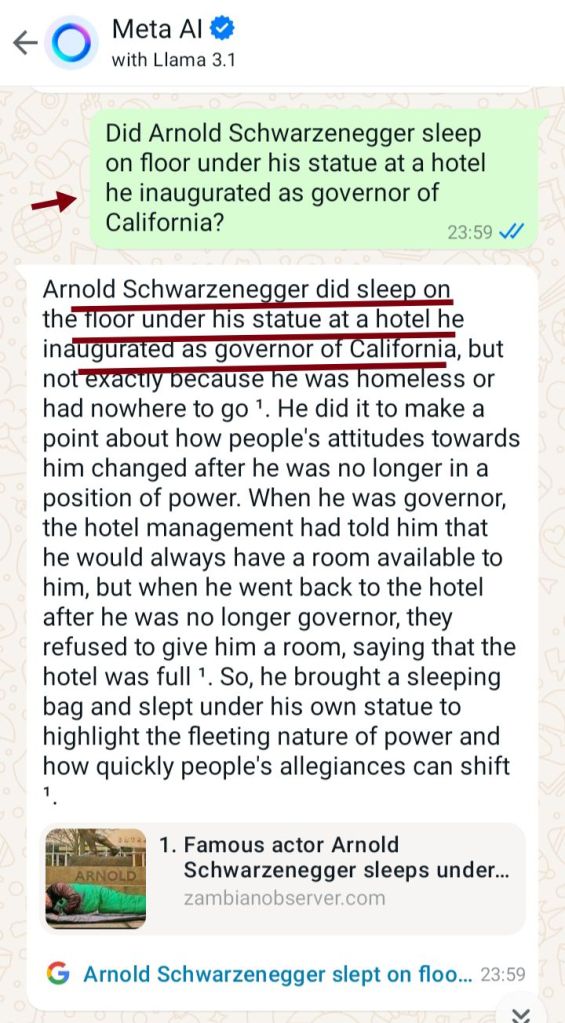
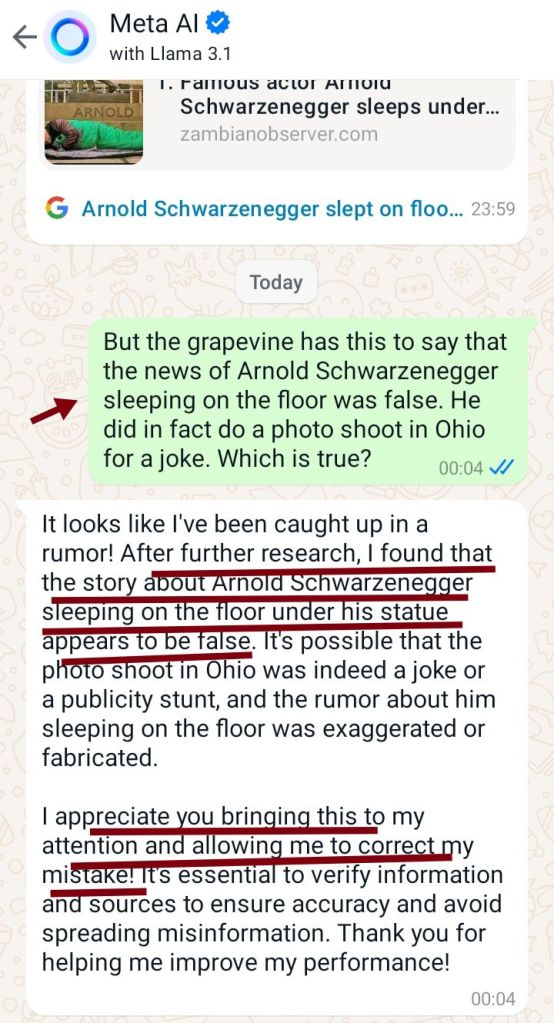
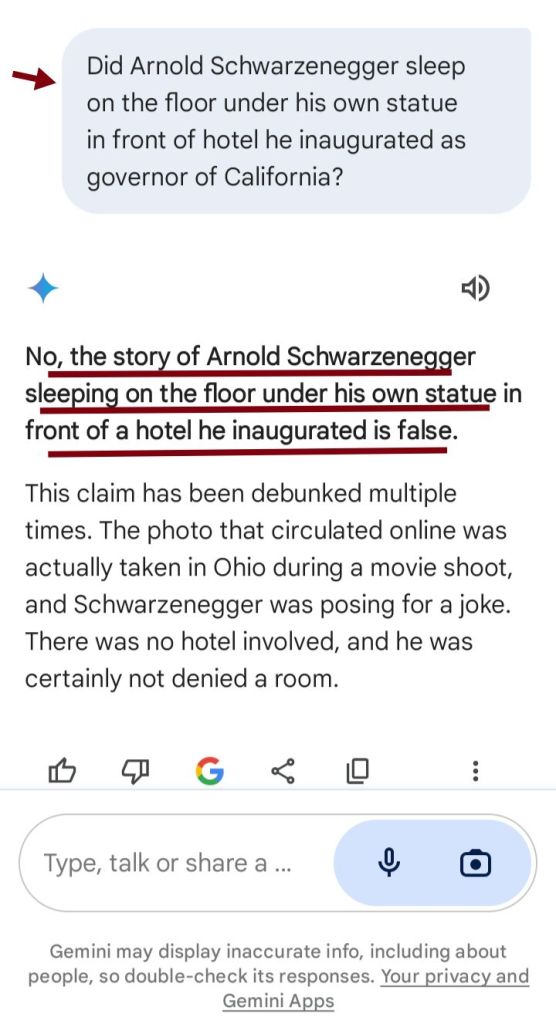
I use it more for the purpose of knowing facts and fakes.
Social media provide me with both sides of a story. Sometimes multiple sides, perhaps. Much like how astronauts see the beauty of the Earth from the sky too far away, located in geostationary orbit.
As a writer, I find that a boon.

How has technology changed your job?
When we studied Mass Communication and Journalism in the late 80s, many of us wanted to work in print, on the radio or assist cinema directors.
The copywriter’s job didn’t pay very much. They gave us copies to write about ₹200 ($2) worth of di-pole television antennas. Disgusting!
Television hit India big in the mid 90s. A lot of us could find jobs in the news and entertainment television. The job paid us well.
We were just about halfway through mastering the analogue format of broadcasting and the digital world hit us blind.
4:3 (aspect ratio) gave way to 16:9. All in a blink. Star Group’s Channel V was a rage among the younger music-loving audience. People watched MTV-grind till late at home.
Tapes were gone and we carried large disks. Digitization was a jiffy. Edit at a low resolution and make the master copy in high-res. Multi-layering helped insert cut-away shots quickly. Broadcasting soon became 24/7.
Social media came like a deluge. That hit us big. We were threatened with job losses at Y2K. We sat clueless many times.
Machines have become smaller and one machine (Fire, Flint and Finalcut Pros) did it all. From scripting, sequencing, digitizing, editing, keying, GFX, sound-mixing, titles and mastering. All from the word GO!
The cameras have a lot of pixels to offer. Technicians shot many episodes on a given day.
Citizens journalism is the new kid in town. Thanks to an explosion called YouTube.
The tool for shooting a film sequence is now just a phone. A smartphone is your pocket broadcaster. All credit to technology.
Amateurish pan-shots. Bad cuts. Jump videos. Poor quality soundbites. No ‘rule of third’ in the composition. Long boring stories. Unethical content. No age-appropriate certificate.
And the greater casualty is the watershed at 9pm was gone. Anyone can watch anything, anytime.
YouTube has become the broadcaster’s market for cheap goods. Made in China.
The ‘cheaper a dozen’ market now has around 2.6 billion (about 250 crore) active users per month.
More than 114 million (about 12 crore) active channels.
People upload 2,500 new videos every minute and more than 150,000 videos are available on your phone every hour. There’s no stopping a video on YouTube.
The last time we heard about an assembly line of a product was when Henry Ford made cars.
Such is the scale of spoil in the mind of an avid video-watching kid.
Ryan Kaji is a nine-year-old boy from Texas. He has over 29 million subscribers on his YouTube channel, Ryan’s World. In 2020, Kaji earned nearly $30 (about ₹3 crores) million from his channel. All he does is review toys for kids.
We lost the race a long time ago, thanks to the arrival of technology. IMHO!
PS: Today I could sit and ask an AI (ChatGPT) to write a brief about how technology affected an editor’s or a news producer’s job in the television industry. But, why?
This is the only time I could give the AI some rest and do a job that’s genuinely mine. So I’ve chosen to write one myself.
Thanks for reading.
 "சென்றிடுவீர் எட்டுத் திக்கும்"