What advice would you give to your teenage self?
Tell you a short story I read on the internet.
A long time ago, at the beginning of the 20th century, a Scottish farmer was returning home. He heard someone crying for help.
He saw a boy struggling in the water. He was drowning. The farmer quickly found a long branch of a tree and threw it to him. The boy picked up the branch and swam to safety.
The boy was safe, but he couldn’t hold back his tears for a long time. He was shaking.
The farmer told him to calm down and asked him to come home so that he would offer him some warm clothes.
The boy said no as he was worried his dad back home must be worried and waiting.
He thanked the farmer and left.
And the next day, a carriage came to the farmer’s house.
A well-dressed gentleman jumped out and asked if he was the one who had saved his son. The farmer said, yes he was.
The man asked how much he owed.
The farmer said he did what a normal person should do and, therefore, he owed nothing at all.
The man insisted he should say an amount as his son was so dear to him.
The farmer wasn’t interested and turned to leave.
As the conversation was going on, the farmer’s son appeared and stood surprised at the door.
The gentleman asked if that was his son. The farmer said yes as he was putting his hand out to pat the boy on the head.
The man continued. He said to take the farmer’s son to London and pay for his studies. If he was as noble as his father, then neither he nor the farmer would regret their decision.
Years have gone by.
The farmer’s son graduated from school, a medical school, and soon his name became universally known as the man who discovered penicillin.
He was none other than Alexander Fleming.
The name of the gentleman who took the farmer’s son Fleming to London was Randolph Churchill.
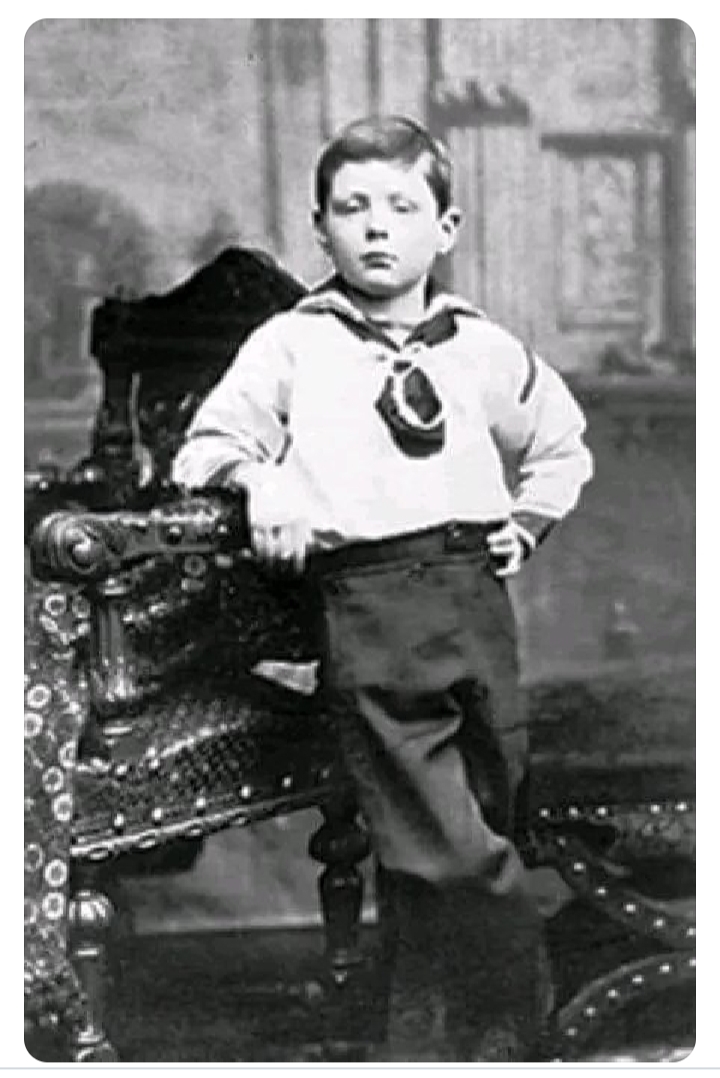
And the man’s son was Winston Churchill, who later became Prime Minister of England.
There were occasions when Winston Churchill recalled saying: “What you do will come back to you.”
 "சென்றிடுவீர் எட்டுத் திக்கும்"