Cat what? A cat who can predict deaths!

Yes, the cat called Oscar predicted the death of over 50 patients in a nursing home located in the USA. 

The nursing home cares for people with dementia.

Staff at the Steere House Nursing and Rehabilitation Center in Providence, Rhode Island didn’t believe it till about 20 patients died. All the dead were visited by Oscar during their final hours.

Oscar knew exactly when the life of a patient was going to end.

Adapted at the age of six months, Oscar was raised as a therapy cat by the nursing home. Though the cat was found aloof, not mixing with others, he provided comfort and companionship when people needed him most.

Dr. David Dosa, who broke the news of Oscar’s abilities in a paper in the New England Journal of Medicine in 2007, said the cat seemed to understand when patients were about to die. Perhaps through sniffing some unique whiff of death – the chemicals released by dying cells.

CBS News consulted several animal specialists who had corroborated the theory that cats could smell those chemicals and predict.

Dr. Dosa, who was an expert in geriatric care, released a book titled “Making Rounds With Oscar: The Extraordinary Gift of an Ordinary Cat”.

He recounted one instance when staff at the nursing home were convinced that one patient was going to die, but Oscar wasn’t seen near that patient. 

The cat chose instead to be on the bed of another patient who was just about doing fine. 

Much to their shock, the person Oscar sat with had died first. That just proved Oscar could predict the death of a patient pretty accurately.

But some have argued that Oscar was all about a case of confirmation bias. 

People, according to the bias theory, tend to subscribe to an earlier belief which sheds a positive light. They would reject all that goes against their thoughts or expectations.

Oscar sadly died in 2022. RIP!

Catch it, Bin it, Kill it. And Write a Blog About it!

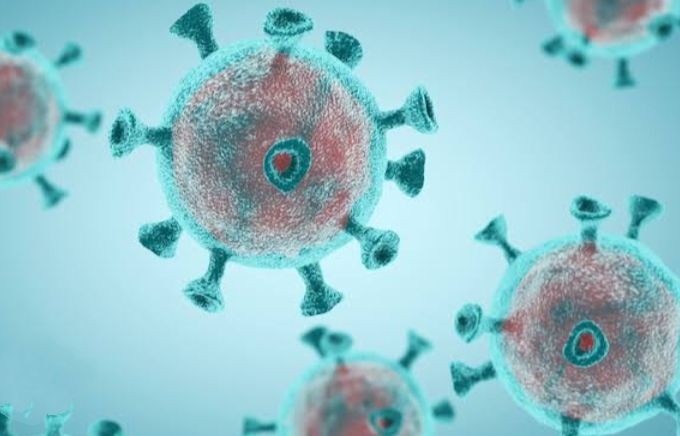
How have you adapted to the changes brought on by the Covid-19 pandemic?

The virus hit India in 2020. The pandemic took us by dozens. Some of us have miraculously recovered. It has been a tough year. 

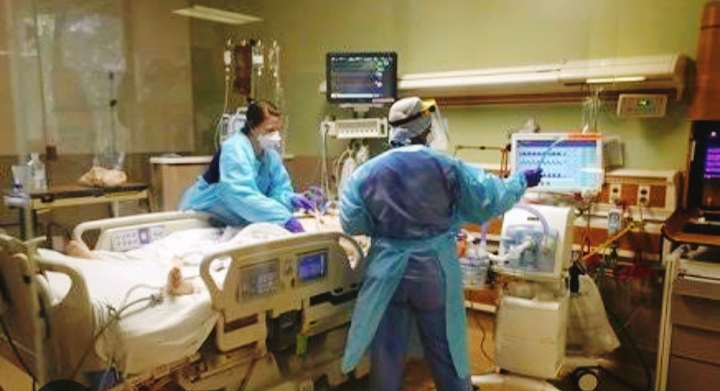
Many deaths. Hospitals in Chennai, Tamilnadu were full. We have seen ambulances operating 24/7. Doctors and staff were working day and night attending to infected patients.

Only the arrival of vaccines brought a stop to the spread. That’s not the end of the story.

No vaccines can prevent 100% of infections. The second wave hit us big. It was much worse.

People have stayed mostly indoors. The lockdown affected our daily lives. The business houses were shut.

‘Living with the Virus’ was how many of us have sadly adapted. The deadly virus continued to mutate and caused havoc in people’s lives.

The cities in India have taken ages to come back to normal.

We avoided crowds, maintained distance and always wore masks. Hand sanitizers have become a part of our daily ritual.

Offices run mostly through Zoom meetings. Many have lost jobs. I, too, have lost mine.

I suffered from sleep disturbances. Many of us don’t feel alright with our mental health. Such is the trauma.

We do yoga and sit in meditation for longer hours. We have been advised to do deep breathing as exercise to come clean from the trauma. 

And the big plus is I have got time to write. My blogs are now regular. One every day, at least.

Remote working is the new hope. Many corporate companies offer jobs to people who choose to work from home. But at what cost?

Companies fear productivity will suffer when people will work from home.

But a poll in the UK has proved their fear wrong. 

53% of respondents in a survey (post Covid19) comprising of 1500 participants said they felt much better mentally when working from home. 

The survey included both the owners of business houses and employees of companies. 

And they said further that the productivity also didn’t suffer because of the switch. Good!

I eat, work and sleep. All in the same place now. 

I know now how to defeat a deadly virus which killed many millions. No fear!


Missing You a ‘Pig’ Time!

Doctors have, for the first time, transplanted a genetically modified pig kidney into a living human patient. And the patient is recovering well after surgery.

Surgeons in a Massachusetts hospital transplanted a pig kidney into a 62-year-old patient on March 16.

As there’s a huge lack of human organs available for transplant surgery, doctors have now turned to help from scientists.

CNN reports that eGenesis, is a biotechnology company that’s developing human-compatible engineered organs. The company supplied the kidney for the patient. They said scientists have performed 69 edits to the pig DNA, to make it compatible with human beings.

Genetically engineered pigs now provide huge hope for patients who suffer from chronic kidney diseases.

The patient mentioned has a history of type 2 diabetes and high blood pressure.

He had been on dialysis for seven years before undergoing a human kidney transplant in 2018.

As the transplanted human organ showed signs of failure after five years, he switched to restarting dialysis in 2023. This caused serious complications.

No human kidney was available for at least another six years.

What was the best option left for him? He can’t die.

“I saw it not only as a way to help me, but a way to provide hope for the thousands of people who need a transplant to survive,” the patient said in a statement.

“The patient would have had to wait five to six years for a human kidney. And he would not have been able to survive it,” said Dr. Winfred Williams, associate chief of the nephrology division at the hospital for The New York Times.

That begs a question. Will this technological advance help address many patients who are in need of a transplant?

Source: www.scientificamerican.com

Edit: Dear readers, we have an update on this story. The 62 year old patient Mr. Slayman has died owing to complications unrelated to the transplant according to the Massachusetts Hospital sources. Heartfelt condolences. Let’s pray his soul rests in peace. Thank you.


The last straw on camel’s back!

“Dear god, Krishna ji, please stay with me, please keep my parents happy … please help me crack Neet 2024”.

“God teach me how to work very hard” 

Those messages one never misses seeing on the wall of the Radhakrishna temple located at Kota, Rajasthan in India.

Kota in India is home to thousands of coaching centres for engineering and medical entrance examinations.

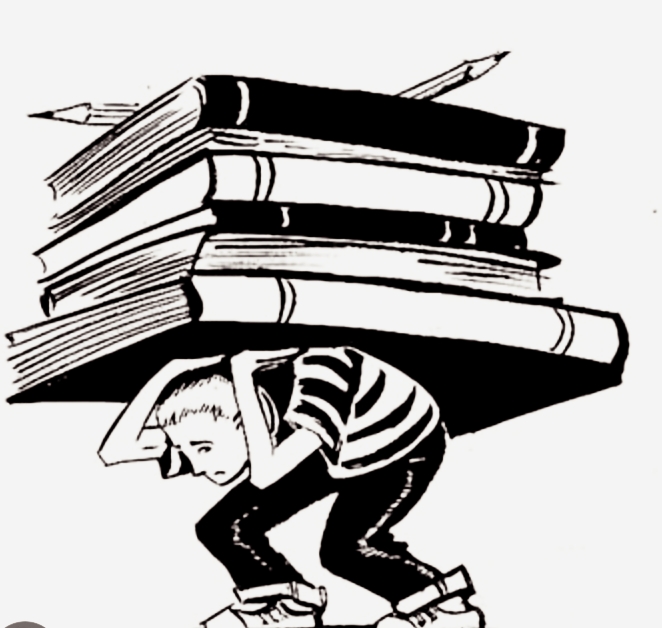
People call the city now the most stressful, as the place is known for all wrongful reasons. 27 students committed suicide last year and the number is rising.

Three have died this year. The latest being a 19-year-old engineering aspirant. RIP!

2 million students appear each year for just 140,000 seats in medical colleges in India. Over one million people compete for 10,000 seats in top engineering institutions called IITs.

Months ago, I went to a coaching centre located in Trichy, South of India.

Students study 18 hours a day, walking like zombies on the campus. Many of them sleep during class.

Teachers were mostly seen rushing through chapters and completing the job like how train drivers run between stations. Too mechanical, to say the least.

I saw a coach, an MIT, Chrompet (Chennai) alumni and an MD of a popular NEET academy breaking down in the middle of class, cry in front of students and start begging them for attention in the class.

Parents in India pay through nose (₹150,000 a year plus ₹30K for food & accommodation) for their children’s education. They place enormous hope on their wards. They want to see them as doctors or engineers, nothing less.

But there’s a sorry sight to the whole story.

Students can’t cope and they commit suicide. The pressure for them is just too much to bear.

The government is confused. While the authorities sit, discuss and contemplate measures to arrest this disturbing trend, students continue to harm themselves at these killer-centres.

Why do students resort to making such extreme ends?

Mental health issues, academic pressure and social stigma drive students to go to this extreme end – screams the article in Frontline, The Hindu.

35% of recorded suicides occur in the age group of students between 15 and 24 years, says statistics on Wikipedia.

Are students happy at home?

Studies say students who are well integrated with their families and community have a good support system during crises, protecting them against suicide. 

Low levels of emotional warmth often drive them to seek a lonely spot.

A high level of parental control, or over-protection, by parents is associated with a three-fold increase in the risk of their ward’s suicidal behaviour.

How to spot them going bonkers early on?

Students nowadays pick up info about harming themselves from platforms such as YouTube and the internet.

A suicide often precedes an attempt. An early identification of what they do when they are alone and timely intervention should help stop them.

This could help in reducing suicide rates in India, experts say.

Intervention as well as a primary prevention strategy could help keep the rate of suicide under check.

Create a positive atmosphere for the children to interact freely with parents, elderly and friends.

Teach the students to cope. Tell them to learn an adaptive mechanism in life.

An awareness campaign should be spread among parents, teachers and healthcare professionals regarding child-rearing practices.

The community should frequently meet up, sit and discuss various social programs, such as child and family-supporting ones.

The community agenda may further include programs that aim at achieving gender and socio-economic equality.

Start now to see the results.

PS: the happiest lot I’ve seen at the NEET campus was the young staff working in the canteen.

They were of a similar age group. But they were more independent, carefree, employed, earning, carrying a phone, riding on bikes, socializing, cheerful and headed home by evening.


I’m kinda DIY, always.

Mr. Shah is a 61-year-old retired language professor. He lived in our building with his family for a long time.

Mr. Shah has a wife, a homemaker, and a school-going daughter. His two sons were away. The elder was working in the UAE and the younger was studying in Delhi. The Shahs were a happy family.

The year was 2017.

Mr. Shah, his wife and daughter were at home watching TV when I called at his house. I was on my routine weekly visit to see the residents. I was an office-bearer at our RWS (Residents Welfare Society) and I did a lot of volunteering. 

Mr. Shah was a good conversationalist. People loved having a chat with him. We usually spoke about issues concerning our society. His input had always been considered valuable by the residents.

On the day I met him, we were having a nice conversation. As we went on, I found suddenly he was going off the subject frequently and was struggling for words. He spoke with a noticeable stutter in his speech. I could see he was sweating. I panicked.

When alerted, Mrs. Shah, came running. She had a good look at him and said he would be alright if he took a rest.

Back in my home, my mind was somehow fixated on what I had just witnessed at Mr. Shah’s house. Nothing was alright with Mr. Shah, I thought.

He reminded me of what we had seen in our own family years ago. My dad died of a stroke.

I rushed to his house again. I told his wife that we should take him to the hospital for a quick check on his health. 

I saw Mr. Shah was resting in bed. He was bathed in sweat. We didn’t wait for an ambulance. I took them in my car to the hospital. 

The duty doctor, after checking the pulse and the conditions shown on his body, said the professor had suffered a stroke.

He further told us to rush him to Malar Fortis at once.

God! That sounded so serious. Mrs. Shah had welled up in her eyes. 

We took an ambulance and rushed to Malar Fortis. Dr. Nair, the General Physician, was on duty. He took Mr. Shah into the ICU, asking us to wait.

We waited (patiently) outside. God, he should be alright. 

Dr. Nair came out, took Mrs. Shah aside and asked some personal questions pertaining to Shah’s health.

She was worried, but with a sobbing note in her voice she answered him. Her phone was ringing as her family kept dialing to find out how their father was doing.

She was stuck when Nair asked what exactly the time Mr. Shah had suffered stutter in his speech.

Tense situation all around as staff nurses at the ICU waited for Mrs. Shah to answer.

No answer.

Dr. Nair said it was important to know the exact time, as the patient was carrying a blood-clot in the vessels.

The clot should be killed with a jab before it reaches his brain. So much so that the patient could be brought out of danger. Tell us the time, as calculating how much it traveled would help us spot where the clot was traveling.

Mrs. Shah was in tears, sobbing. She looked at me.

I raked my brain. I vaguely recollected someone was calling me on my phone when I met Shahs. Gotcha!

I took my phone out and ran to Nair. Pulled open the call-history and told him: Sir, the time was 17:15. Roughly about that time, I saw Mr. Shah was struggling.

Brilliant!, said Dr. Nair. Thank God!

Dr. Nair quickly wrote a prescription. Handed it to me, ordering “get the jab immediately”.

At the pharmacy (attached to Malar Fortis) I jumped a long queue. Barged in. Told everyone to excuse us, as we were in an emergency. Everyone obliged. I thanked them.

The pharmacist gave me the jab and handed me a bill. What! A jab costing ₹34K! Where on Earth would I find the money?

I didn’t have enough and neither did Mrs Shah have any. What to do now?

She looked inside her bag and checked, but not so much. Use my credit card? Yes. I paid and rushed to Nair.

The doctor took the jab and disappeared inside the ICU. Surreal atmosphere at Malar Fortis.

Mrs. Shah looked at the giant clock kept in the lobby of the hospital and prayed. 

About an hour was gone. The doctor came out and told us the patient was doing alright.

Thank god! 

We were so thankful to the medical fraternity that our professor was back kicking and alive.

Mrs. Shah was happy dialing everyone to say the good news. Her sons and daughter were happy. They thanked everyone. I could hear her sons and daughter crying and sobbing while thanking me on the phone. I said thank the doctors and thank the almighty.

Back at home, our society called for a quick meeting to thank me for the timely help I extended to save professor Mr. Shah.

Celebration and congratulatory messages started pouring in. On the phone and on my WhatsApp. I was gobsmacked.

A joke that is doing rounds now in our society is; whenever you hear someone is in need of help or in an emergency, you should dial our in-house doctor, a kinda DIY. Period.

The whole of our street now knows my contact.

Proof, a DIY (Do it Yourself) act can take you really far.