Birds don’t pose for photos! You need patience!

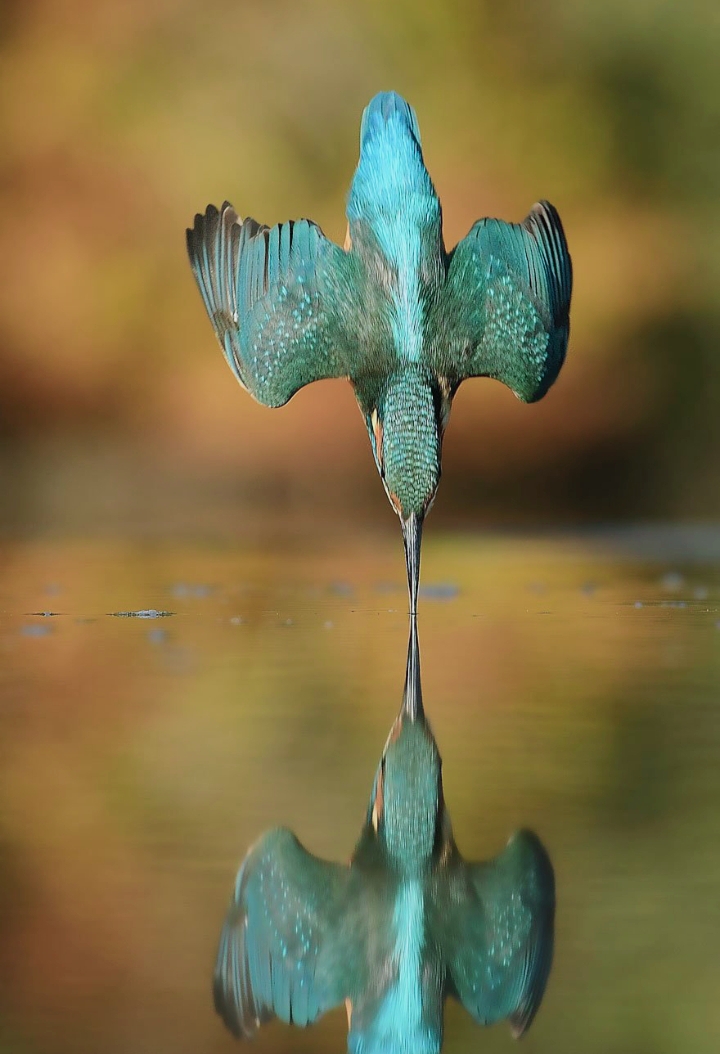
Take a look at the picture.

What you have seen isn’t just a photo of a bird. It’s a poem. How?

A bird diving 30 miles an hour into clean and still water to meet his twin brother. Without a splash of water wasted. 

This amazing photograph was captured by a fisherman-turned-wildlife photographer called Alan McFadyen. He lives in Scotland and is now running a wildlife photography business.

This photo wasn’t taken in a day. A painstaking effort went behind creating this masterpiece.

McFadyen took six long years. 4200 hours in total. He travelled every day, many miles, seven days a week to the same spot, River Tarff woodland

He would skip breakfast and miss his dates (missed many girls in the bargain). All for the love of wildlife photography. 

He got his first camera – a Nikon D4 – in 2009 and that kicked the adrenaline in him. 

He would cycle to the spot daily, set up the porch at vantage points with camouflage (birds don’t pose for photos) and click, click and click. Hours would be gone. 

He clicked 600 shots a day. A whopping 720,000 clicks in all. 

Patience paid him. 

And the passion for photography shouldn’t be any less. This is an adventure sport. Only a superhuman effort could win laurels.

It cost McFadyen his relationships. He was engaged five times. Twice divorced. 

He was six when he first fell in love with nature. His grandfather was his inspiration, as the lad was taken around on a bicycle every day to see those bird’s nests. 

That was how his love of nature kick-started and his passion for wildlife photography. 

McFadyen dedicated this one helluva masterpiece to the memory of his granddad. 
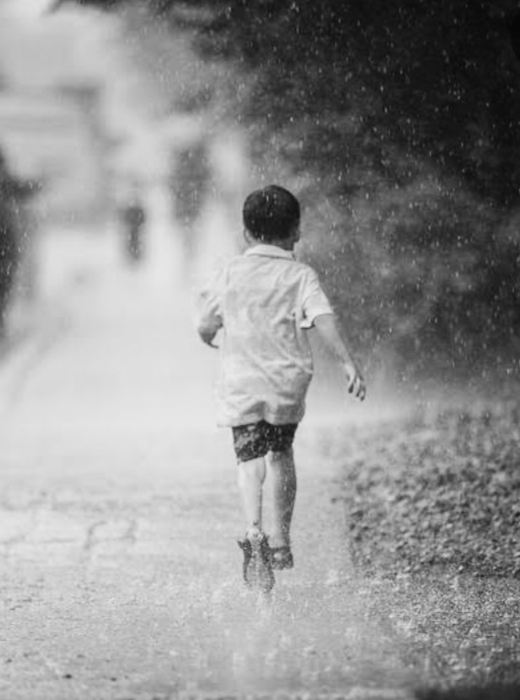
Take a breather. Enjoy the rain!

What notable things happened today?

It’s basically too hot to go out during summer in India.

The month of May gets too hot, especially.

The temperature touches between 42 degrees and 45 degrees and the sun beats down on you mercilessly.

But a breather comes in the form of rain. Unusual on a summer day but refreshing to feel the chill in the air for a brief time, thanks to the neighbouring state of Kerala, which normally receives rainfall during May and June. Every year.

I was out doing my routine walking in the evening. And it rained all of a sudden.

You have nowhere to go, run and take shelter. Staying under a tree isn’t an option, as it’s too risky to stand under a tree when it rains accompanied by a thunderstorm.

On seeing the first drop of rain on the first day this year, why should one run so scared? I just continued walking and got completely drenched. 

Wow! What a feeling! 

By the time I reached home, the rain picked up momentum. It is pouring down now in Chennai, Tamilnadu, India.

Getting the rain on a summer month and enjoying walking completely soaked rank today as the most notable moments. 

Thank nature. Thank heavens.


An entire class wins laurels. How?

This week, India was in the news for all the wrong reasons. Why?

Let’s not talk about the reason, which is political. Let’s talk about one which is academic.

Yes, the NEET enthusiasts in the country have suffered a jolt when the results for 2024 showed 67 students scored full marks (720/720).

Many students have got marks, which is absolutely improbable. The authority – NTA – who is conducting the exams claim those were grace marks awarded. 

Questionable as the case is in court now.

In one centre, eight students were awarded full marks. The centre is in the state of Haryana, India.

Eight scoring full marks is a rare instance and that brings to memory what happened at the University of Chicago back in 1930.

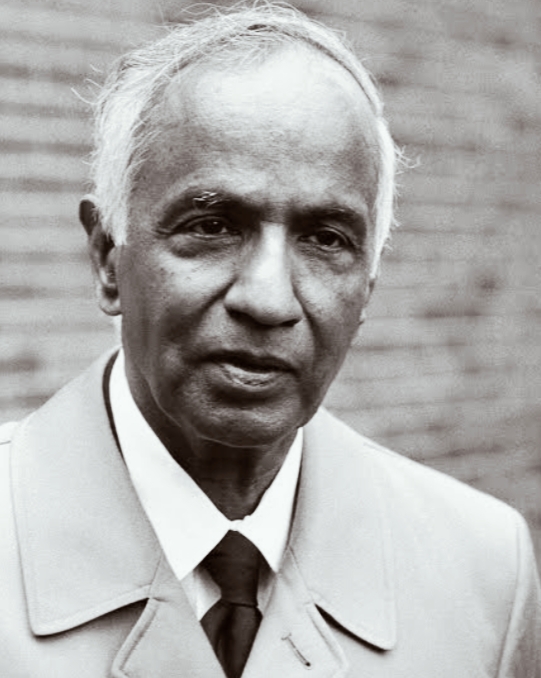
The Nobel laureate Dr. Chandrasekhar – a Tamil and a proud Indian – was a passionate teacher. He was professor of astrophysics

While he was in the USA, he wanted to teach the subject to aspiring students, but he, unfortunately, had only two students in his class. And the venue was located too far away too. About 100 kilometers he had to travel every day to teach the pair.

He was undeterred though.

For this very reason, the professor was laughed at by his colleagues on the Chicago campus. All advised him to drop the idea. Many ridiculed him for traveling 100KM each day to teach. So embarrassing.

But the professor had seen a greater opportunity in the negativity.  

He thought a small class would give him an ample atmosphere for teaching the subject well and spend a good amount of time for discussion, if any. The class went ahead as planned.

As the professor, Dr. Chandrasekhar envisaged the class consisting of T.D. Lee and C.N. Yang went on to win a Nobel each for Physics in 1957. 

That’s not the end of the story. 

Dr. Chandrasekhar himself got the Nobel Prize in 1983. 

Thus, the world witnessed one of the rarest instances in history, where an entire class, including the teacher, has bagged a Nobel.

A proud moment in academic history! 

Hope Dr. Chandrasekhar wasn’t the inspiration behind the story of eight NEET students winning big in a single exam centre in Haryana. 

Can’t live without one. Twice a week, at least. Cheers!

What’s the one luxury you can’t live without?

Take a highball glass. Add sugar, mint leaves and a splash of club soda.

Smash and mix them enough so that the flavour of the mint is released.

Cut a lime and squeeze both the halves into the mix. Drop one squeezed half into the glass for the luxury.

Add rum (white is preferable) and stir well.

Fill the glass with ice cubes and top with club soda.

Garnish with a mint sprig. Enjoy.

No fear, anymore!

What fears have you overcome and how?

Traffic in India is chaotic. There’s plenty to negotiate on the road. Incidents regularly happen as motorists don’t usually follow traffic rules. 

Pedestrians crossing the road at will, cars changing lanes without a warning, motorcycles jumping lights at junctions and the police turning a blind eye to blatant violation of those laws contribute just one thing.

A fear of roads. A fear of facing traffic. 

That instils a kind of fear in the minds of people who follow rules and abide by the law. 

What’s the option? How to respond to such fear of facing roadside violations?

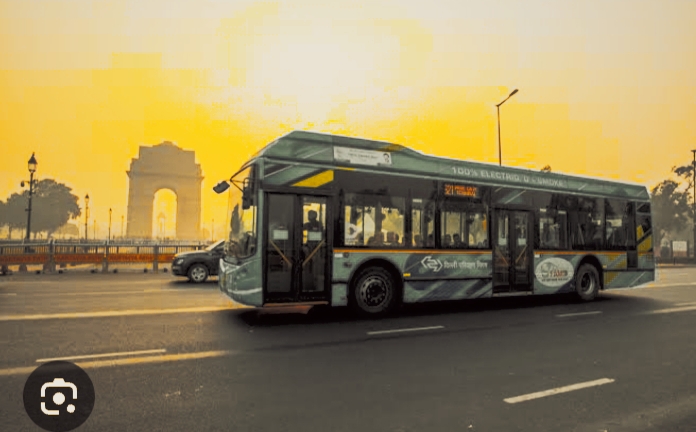
I switched to traveling on public transport, such as bus, train and taxis. 

I’m so happy now finding a comfortable seat in the rear side of a bus or a train, listen to some good music and fall asleep. The taxis are much better with a brilliant air-conditioning.

I see no evil. I hear no noise on the road. 

No fear, anymore.


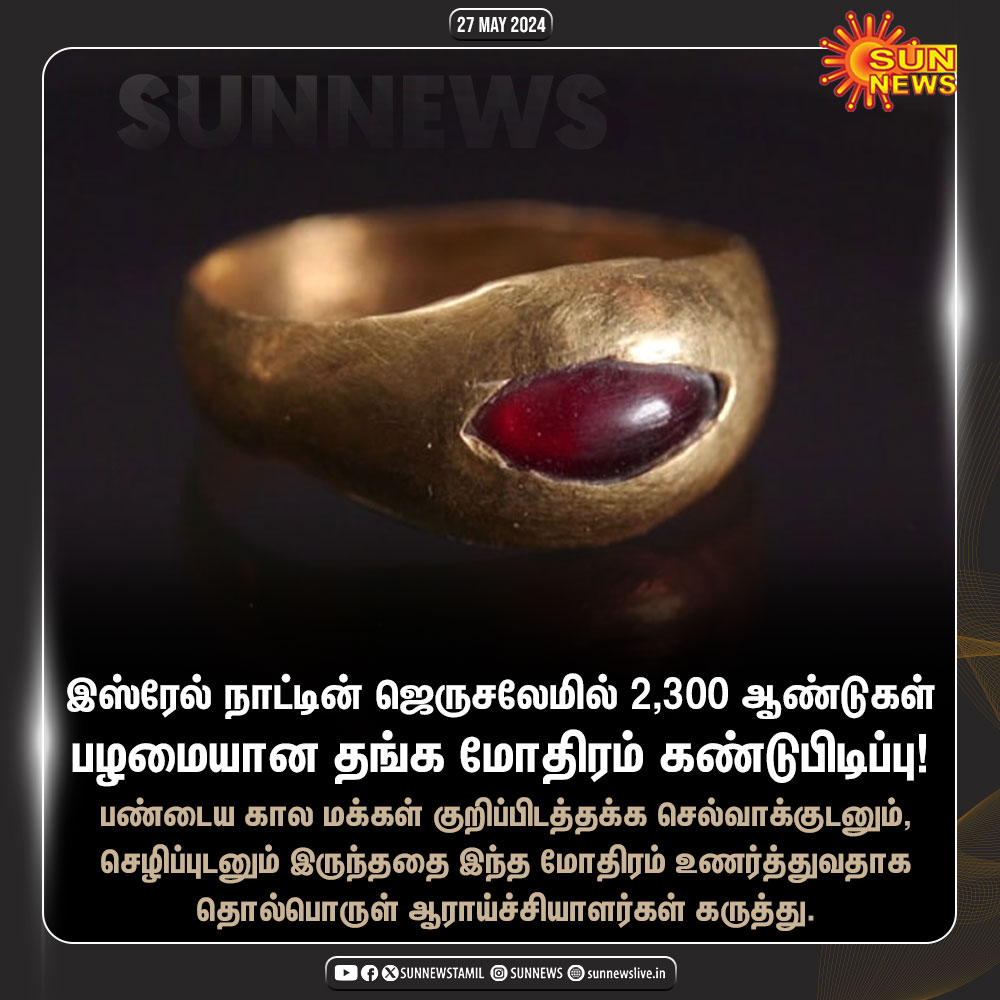
A well-preserved Hellenistic style gold ring found. Only 2300 year old.

A 2300-year-old ring was discovered in Jerusalem, Israel.

The ring belonged to a child who lived during the reign of Alexander the Great (300 BC).

The archaeologists belonging to the Israel Antiquity Authority (IAA) said the ring was well-preserved, survived all weathers and there’s no sign of rusting at all.

The discovery says a lot about how people in those ancient days preferred to wear gold rings as ornament. Amazing!

It was a jolly helluva days before the internet. How?

Do you remember life before the internet?

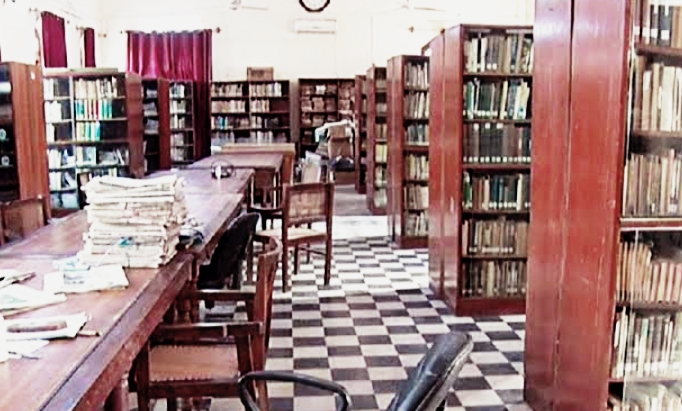
In the early 80s, there was no internet in Temple City, Madurai (Tamil Nadu, South of India). We studied in school. 

We cycled five to six kilometres – to and fro – to go to the university library. The only library available for us had a good collection of books, newspapers, journals and rich novels.

We used to go there at least twice or thrice a week and spend a lot of time looking for books. We sat there, read and spent time taking notes. 

Books of interest were loaned by the librarian on membership cards. Strictly three cards to a member.

Books were to be returned or renewed every two weeks. Or pay a penalty for default

If some books we found were gone, we would wait at the librarian’s desk like how herons wait to catch fish in ponds.

We grabbed books at the desk itself or else it was too difficult to find them on the shelves later. We shared those books among ourselves after reading. Those were the jolly helluva days.

And the Internet has arrived.